
The complete guide
Podcasting vs streaming: does the use case change which mic makes sense
Podcasting and live streaming ask slightly different things of a microphone, and the Rode PodMic USB is worth judging against the one you actually plan to do most.
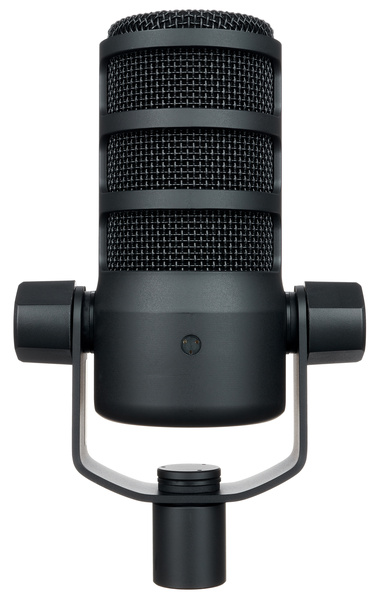
On the Rode PodMic USB specifically, Rode states: Polar pattern: Cardioid; Optimised for speech applications; Connections: XLR and USB-C. At £204.99 it sits in the premium tier of this catalogue, and those specific figures (not just the USB + XLR connection type) are what should decide whether it fits your setup over another Rode model or a different brand at a similar price.
A podcast is recorded, edited, and published later, so small imperfections in gain or background noise can be smoothed out in post-production before anyone hears them. A live stream has no such safety net — whatever the microphone picks up in real time is what your audience hears, which puts more weight on getting gain and positioning right before you go live rather than fixing it afterwards.
For streaming specifically, a cardioid pattern like this one's is useful for rejecting keyboard clatter and PC fan noise sitting just off to the side of the capsule, which matters more in a live, unedited context than in an edited podcast.
Either way, the core setup advice is the same: consistent distance from the Rode PodMic USB, gain set with headroom for excited moments, and a quiet-enough room that the microphone is not compensating for problems it cannot fully solve.